11 November 2025
Malawi’s ambition to accelerate industrialization and inclusive growth took center stage at a recent workshop focused on Kasungu secondary City’s potential of becoming a strategic hub for agro-processing and regional trade. With the SEZ Act of 2024 paving the way for urban centers to drive investment and innovation, the workshop aimed to answer a critical question: How can Kasungu harness SEZs to stimulate economic activity, attract investors, and create thriving communities beyond the traditional model of industrial parks focused solely on production, toward integrated spaces that foster vibrant, well-functioning secondary cities? The dialogue brought together government leaders, development partners, and private sector actors.
Setting the Tone: Why This Dialogue Matters
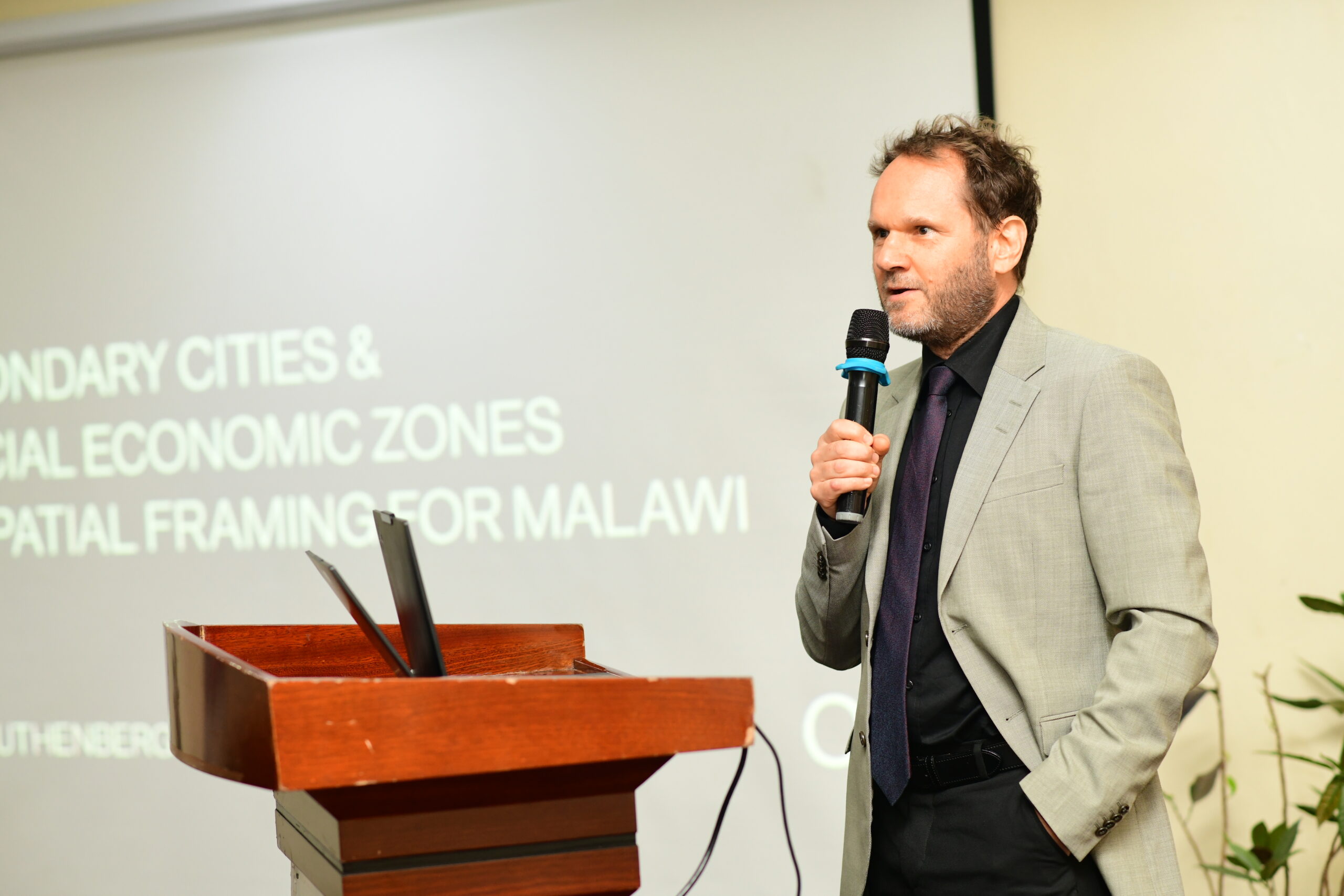
The workshop began with a strong call for collaboration and forward thinking. Joachim De Weerdt, IFPRI Malawi’s Country Program Leader highlighted the pivotal role urbanization plays in economic transformation: “As countries develop, the engine of economic growth shifts from the rural to urban areas. This is the magic of agglomeration: when you bring people together, they become more productive.” He stressed that secondary cities like Kasungu can bring development closer to rural communities, strengthening urban–rural linkages and create jobs beyond agriculture.
De Weerdt underscored the urgency of planning ahead: “Urbanization needs to be anticipated, not addressed after it has already occurred. Yet, it is fair to say that practical progress has been limited so far.” He noted that the workshop was a timely opportunity to start a much needed public dialogue on integrating secondary cities into Malawi’s Special Economic Zones framework.
Fenella Frost, UNDP Country Representative, echoed this sense of urgency and potential: “Malawi is really at a very critical moment in its development… The secondary city approach can be one way to unlock that potential.” She pointed to lessons learnt from other regions: “When we look at China and South Korea, we really see the huge potential that positive competition plays in enabling and empowering urbanization to lead development at the local level.” Frost stressed that SEZs should not be seen as a quick fix: “Special economic zones should not be considered as a panacea- they need to be linked to industrial policy, infrastructure, and private sector engagement.”
From the local perspective, Isaac Mkandawire, Chief Executive Officer of Kasungu Municipal Council, expressed optimism: “We in Kasungu are very excited with the prospects. This initiative positions Kasungu on a special economic zone trajectory that ought to be harnessed.” He called for stakeholder support to accelerate implementation.
Fredrick Changaya, Director General of the National Planning Commission (NPC) emphasized on what it takes to build thriving secondary cities. He warned against rushing into models without first meeting the basics: “We often adopt a model and hope the right conditions will follow - but getting the fundamentals right before adopting ambitious.” He called for strong governance, careful spatial planning, geospatial mapping, and deep collaboration across ministries and development partners. His challenge to the room was unmistakable: “Without strong governance, perhaps we will fail.”
Key Insights from the Keynote and Presentations
The keynote address, delivered by Kobi Ruthernberg, Partner at ORG, permanent Modernity, framed urbanization and Special Economic Zones (SEZs) as central to Malawi’s economic transformation under Malawi 2063. He emphasized that secondary cities like Kasungu can serve as engines of inclusive growth by strengthening urban–rural linkages, supporting agro-industrial development, and creating jobs beyond agriculture. The address called for integrated planning and proactive measures to ensure these cities evolve into hubs of productivity, rather than isolated industrial parks, and highlighted the need for collaboration among stakeholders to define practical pathways for implementation.
Building on this vision, Maxwell Maida, Senior Development Planning Specialist of the National Planning Commission, outlined the Malawi Secondary Cities Plan, which seeks to balance regional development through strategic investments in eight priority urban centers. Kasungu was identified as an agri-industrial hub with strong potential due to its fertile land, connectivity, and youthful workforce. Bisa Namarika, Acting Director of Research at the Malawi Investment and Trade Centre presented the governance framework and incentives under the SEZ Act (2024), designed to attract investment through tax benefits, streamlined procedures, and infrastructure support. At the local level, Blessings Nyasulu, Physical Planning Officer, Kasungu Municipal Council showcased its readiness with updated development plans and flagship projects, including a business and recreation park and an agro-industrial park aimed at value addition and job creation. Together, these presentations underscored the importance of aligning national vision, regulatory frameworks, and local action to make Kasungu a model for secondary city development.
Audience Discussion: Turning Ideas into Action
Participants engaged in lively discussions on how to translate plans into practical steps for Kasungu’s SEZ development. Key priorities included aligning governance structures, ensuring reliable infrastructure, and designing incentives that attract private investment while benefiting local communities. Stakeholders emphasized the need for integrated planning and stronger coordination among government, private sector, and development partners. One participant captured the mood perfectly, saying, “We know what needs to be done, but we are not holding each other accountable enough. Let’s collectively do it and leave a lasting legacy.”
Closing Reflections
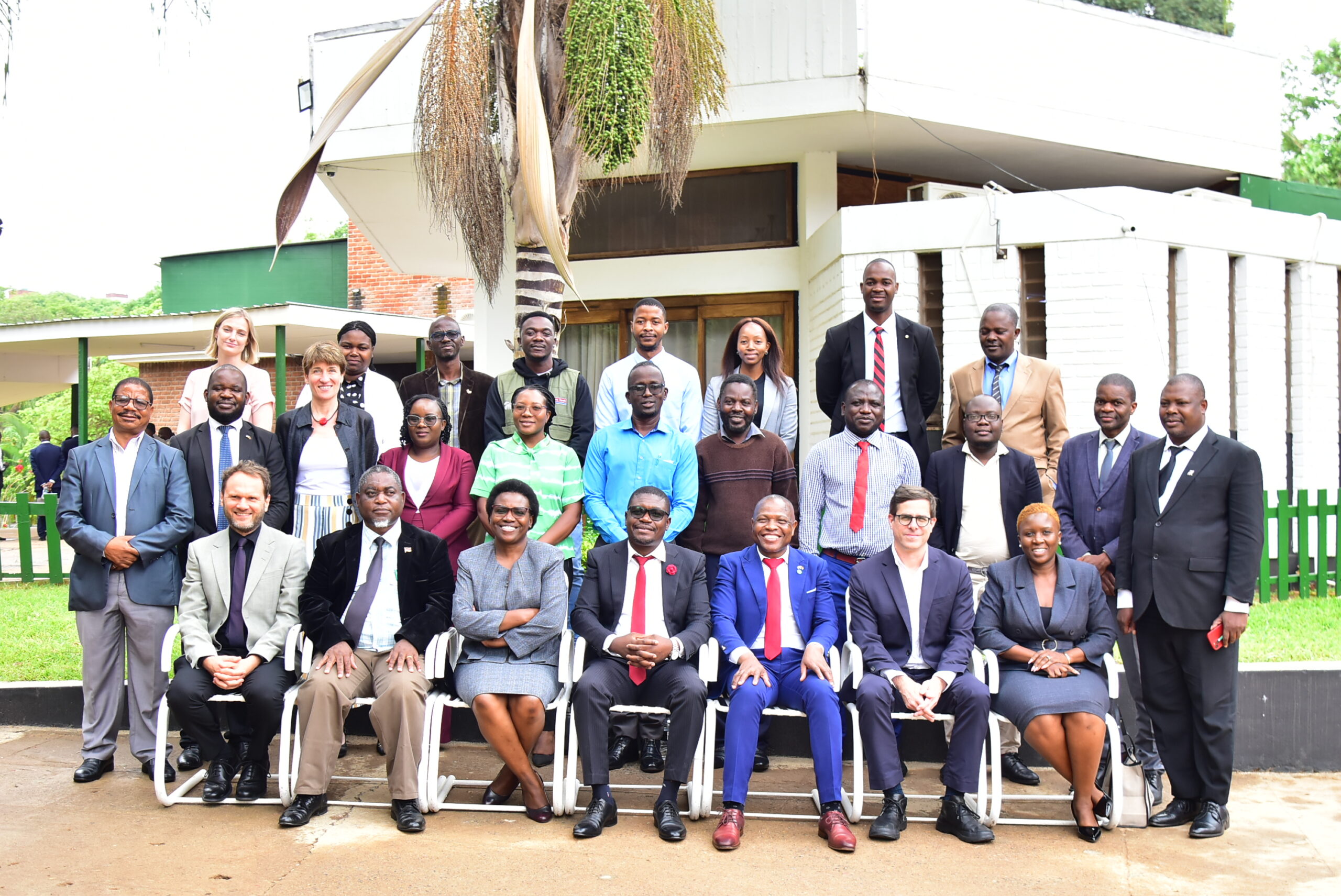
The workshop concluded with powerful remarks that reinforced the urgency and opportunity ahead. Lurdes Gomez of UNDP emphasized the importance of integrated approaches and partnerships, noting that “development investments must move beyond fragmented projects to achieve systemic change.” Lara Cockx, Research Fellow from IFPRI highlighted the role of evidence-based planning, stressing that “data-driven strategies are essential for designing SEZs that truly deliver on their promise of inclusive growth.” Mercy Dube, Director of Urban Development from the Ministry of Local Government called for local leadership and accountability, reminding participants that “secondary cities will only thrive if councils take ownership and drive implementation with community engagement at the core.”
Together, these closing reflections captured the spirit of the day: collaboration, innovation, and commitment to making Kasungu a model for secondary city development under Malawi 2063.
The following day, a technical team comprising representatives from IFPRI, the Ministry of Local Government, the National Planning Commission, and ORG–Permanent Modernity visited Kasungu to engage with district-level policymakers. The visit aimed to foster dialogue on the role of Kasungu as a strategic hub for Malawi’s emerging special economic zones and secondary cities.