
The Monthly Maize Market Reports are developed by researchers at IFPRI Malawi, with the main goal of providing clear and accurate daily maize price data in selected markets throughout Malawi. The reports are intended as a resource for those interested in maize markets in Malawi, namely producers, traders, consumers, or other agricultural stakeholders. Highlights Retail […]
International Women’s Day 2023: IFPRI researchers on gender and technology

Insights from projects around the world.
Working Paper 40: Employment options and challenges for rural households in Malawi
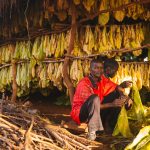
Malawi has suffered from weak economic growth since its independence in 1964. Over 50 percent of the population live below the poverty line, unable to produce enough or to otherwise obtain sufficient income to meet all of their basic needs. Poverty is concentrated in rural areas. Smallholder agriculture dominates employment in rural Malawi. However, with continuing […]
IFPRI-AMIS Seminar: Ukraine One Year Later: the impact of the war on agricultural markets and food security

With the war in Ukraine entering its second year, global markets continue to feel its effects. World stock levels for wheat, feed grains and soybeans remain tight, and while prices have fallen back to pre-war levels, much uncertainty remains. This seminar will examine how the war has affected global markets, particularly wheat markets. Speakers will […]
IFPRI Blog: Ukraine one year later: Impacts on global food security
When Russian troops invaded Ukraine one year ago, the war appeared to pose a grave threat to global food security. The conflict could hardly have come at a worse moment. Even prior to the war, global supplies of key staples were tight; ending stocks of wheat, maize and soybeans were at their lowest levels for many […]
- « Previous Page
- 1
- …
- 34
- 35
- 36
- 37
- 38
- …
- 81
- Next Page »