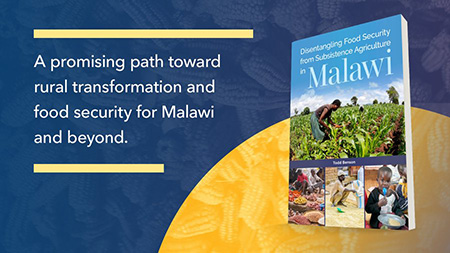
In Malawi, maize is life – the cereal is the main staple with more than 70 percent of all agricultural plots in the country used for maize farming. This strong dependence on maize has led to a poorly diversified agricultural system with limited dietary diversity. The government of Malawi implements a Farm Input Subsidy Program […]
Shelter from the Storm? Household-Level Impacts of, and Responses to, the 2015 Floods in Malawi
Overdependence on rain-fed agriculture by rural households in Malawi puts them at risk of crop losses tied to extreme weather events, like floods and droughts. In recent years, Malawi has experienced an increase in frequency, intensity and spread of these events. In January 2015, severe flooding in Malawi affected over a million families, displacing 230,000 […]
Assessing the structure, conduct and performance of Malawi’s maize market
Maize is the most important staple food in Malawi, contributing about 66 percent of calories to typical household diets. Most non-seed maize is produced by smallholder farmers while large farms mainly produce seed maize. Thus, the nation’s food security and poverty reduction is dependent on the maize market. However, maize retail prices are high whereas […]
Scaling up agriculture technologies in Malawi: A study of approaches used by agriculture research and development organizations
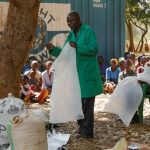
A new IFPRI-led study assessed the scaling up of agricultural technologies—that is, the approaches and methods that agricultural research and development organizations use to increase the share of households which are regularly using such technologies to improve their agricultural performance. Over the years, several technologies have been developed to help improve agriculture, particularly in developing […]
Looking to 2030: Policy simulations using a multi-market model for Malawi
In the early 1990s, IFPRI developed the International Model for Policy Analysis for Agricultural Commodities and Trade (IMPACT) to help sustainably address long term policy challenges in reducing hunger and poverty and in protecting natural resources. The IMPACT model has been continually expanded and improved to better inform the tough choices decision makers and researchers […]
- « Previous Page
- 1
- …
- 12
- 13
- 14
- 15
- 16
- …
- 22
- Next Page »