IFPRI Insights COVID-19 Special Issue: Africa's Possible Rise as Hotspot for Future Pandemics; COVID in India; and More
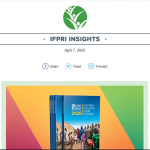
2020 Global Food Policy Report launches: Building Inclusive Food Systems
Crises such as the current COVID-19 pandemic often hit poor and marginalized people and communities the hardest. IFPRI’s ninth Global Food Policy Report, launched virtually on April 7, focuses on how to make food systems more inclusive so that they can build vulnerable populations’ resilience to such shocks and meet global goals to end poverty, hunger and malnutrition.
IFPRI Insights – April 2020
The 2020 Global Food Policy Report; decentralization without democracy; circular agriculture and more
Global Food Policy Report 2020: Inclusive food systems can help build resilience to withstand pandemics and other shocks
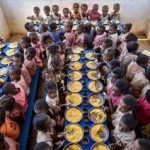
This blog is cross-posted from the main IFPRI website and was written by Johan Swinnen. As the world battles the spread of the COVID-19 pandemic and the social and economic disruption it is generating, concern about the impact it will have on food systems is growing. While it is still too early to know the extent of the effects the pandemic will have on food insecurity or poverty, we can be sure that the poor and vulnerable people are likely to suffer the most.
COVID-19 lockdowns threaten Africa’s vital informal urban food trade
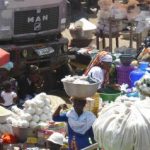
This blog is cross-posted from the main IFPRI website and was originally written by Danielle Resnick. This blog post is part of a special series of analyses on the impacts of the COVID-19 pandemic on national and global food and nutrition security, poverty, and development. The blog series is edited by IFPRI director General Johan Swinnen and A4NH director John McDermott.
- « Previous Page
- 1
- …
- 18
- 19
- 20
- 21
- 22
- …
- 46
- Next Page »