Wednesday, October 23, 2019, 2:00 pm - 3:30 pm
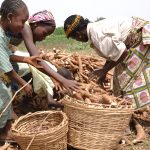
This study provides a method for ex-ante estimation of the distributional welfare effects of a change in the yield of a crop using household survey data. We apply this method to estimate the impact of a 10% increase in cassava yields on income and poverty rates among different types of Nigerian households.
Brown Bag Research Seminar: The Women’s Empowerment in Agriculture Index – What have we learnt?

Wednesday, June 12, 2019, 12:30 - 14:00
The Women’s Empowerment in Agriculture Index (WEAI), a survey-based tool launched in 2012, has been widely used to measure and understand women’s empowerment and inclusion in the agricultural sector. The WEAI was originally designed as a monitoring and evaluation tool for the Feed the Future Initiative (FTF) and has been rolled-out in 19 FTF focus countries.
Brown Bag Research Seminar: Soil Fertility Management in Sub-Saharan Africa: Status, Challenges and Future Prospects
Wednesday, May 8, 2019, 2:00 pm - 3:30 pm
Sub-Saharan Africa records the biggest yield gaps worldwide. This happens due to a complex combination of factors, ranging from use of poor germplasm, low soil nutrient status, poor agronomic practices, pests and diseases to poor investments in agriculture.
Launch event: 2019 Global Food Policy Report
Wednesday, April 3, 2019, 13:00 - 15:30
IFPRI Malawi invites you to the Lilongwe launch of the 2019 Global Food Policy Report. The launch event will consist of screening of the keynote addresses and rapid-fire presentations from the launch that took place in Washington DC on 27 March; followed by a live panel discussion.
Brown Bag Seminar: The Causal Effect of Improved Access to Family Planning: Evidence from a Field Experiment in Urban Malawi
Wednesday, March 13, 2019, 14:00 pm - 15:30 pm
IFPRI Malawi invites you to a Brown Bag Research Seminar presentation by Mahesh Karra, Assistant Professor of Global Development Policy, Frederick S. Pardee School of Global Studies.